The European Commission confirmed that the EU Disability Rights Strategy will be updated with strong actions during a debate in the European Parliament on 19 December.
Commissioner Lahbib stated at the end of the debate, “During the first year of my mandate, I intend to communicate to the EP and to the Council the new actions and flagship initiatives that will help to close the remaining gaps”.
Summary
The main points of the debate included:
- Commissioner Lahbib committed to communicating “new actions and flagships for the Strategy” in 2025.
- Members of the European Parliament (MEPs) expressed strong support for the update.
- Members particularly focused on employment, accessibility and independent living.
Commissioner reflects on past achievements
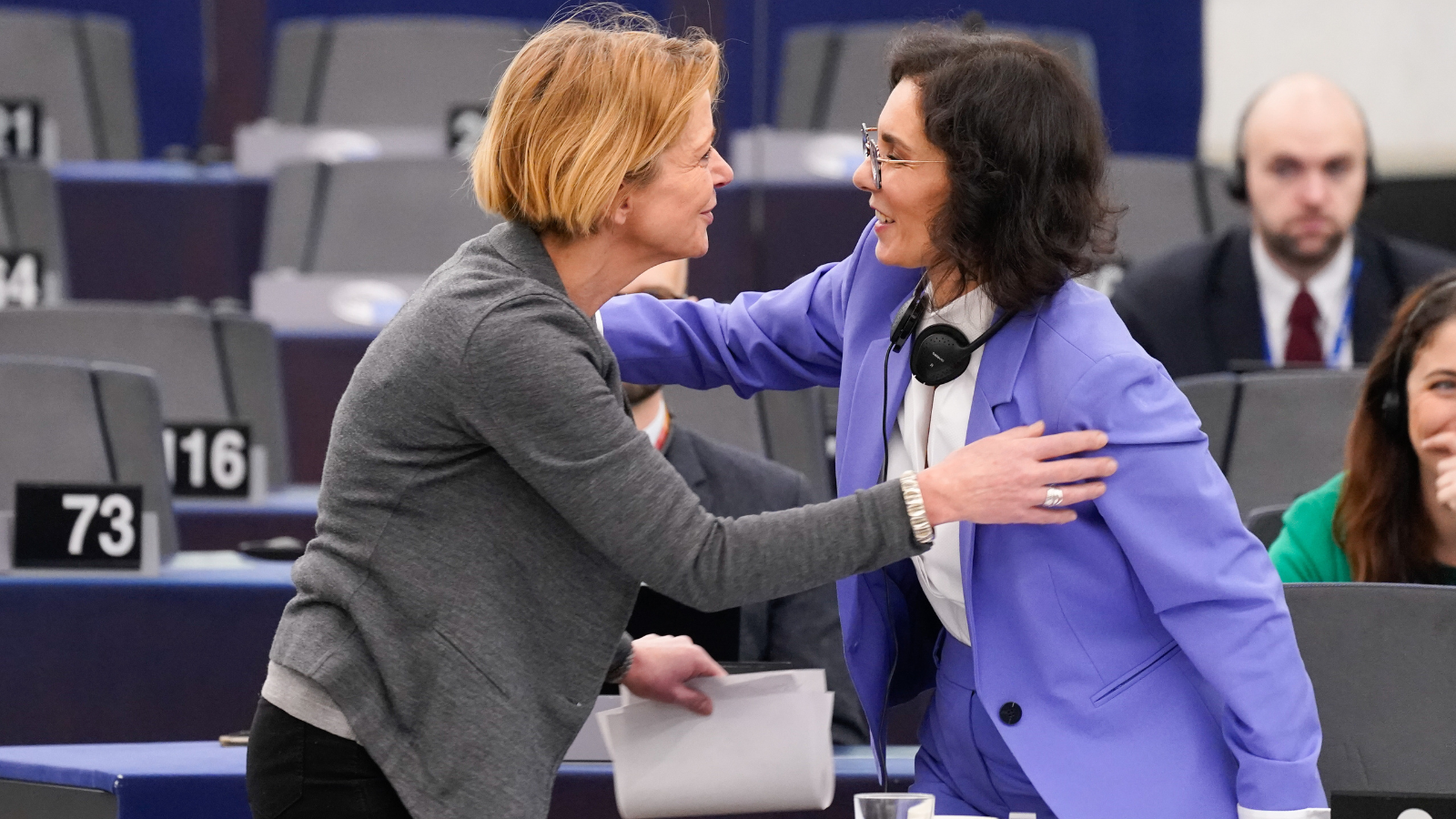
Commissioner Hadja Lahbib started the debate by stating, “You can count on me to be a strong advocate for persons with disabilities”.
She then underlined the achievements from past mandate:
- Directives on the European Disability Card and EU Parking Card.
- Guidance on Independent Living and Inclusion in the community,
- Monitoring implementation of the European Accessibility Act and the Web Accessibility Directive.
- The Establishment of the Accessible EU Centre
She stated that her goal is to “take concrete actions to improve the lives of persons with disabilities”.
She also mentioned that the UN review of the EU’s implementation of the Convention on the Rights of Persons with Disabilities will guide her actions.
Parliament lawmakers focus on employment, accessibility, independent living
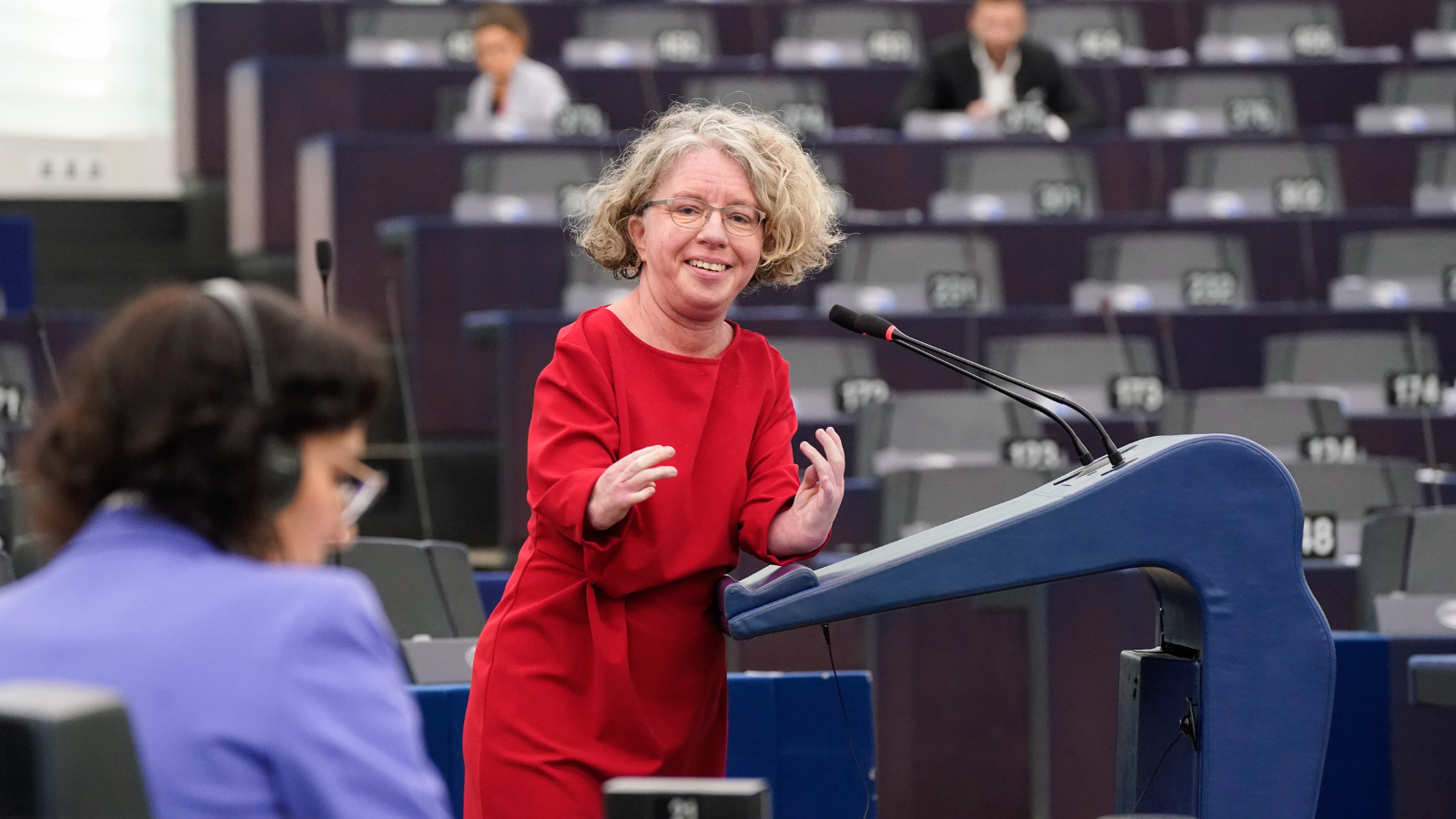
Members of the European Parliament took the floor to demand a second phase of the Strategy with stronger, concrete actions. These actions should be planned in close cooperation with organisations of persons with disabilities.
The vast majority of Members from all political groups also focused on the need to ensure fair, inclusive employment for persons with disabilities, including through national targets. These included MEP Romana Tomc, Estelle Celeumans, Billy Kelleher, Kathleen Funchion, and Lara Magioni – among others.
Ensuring accessibility of public space and transport was also in focus. MEPs that focused on this area include MEP Aurelijus Veryga, Yvan Verougstraete, Nikos Pappas, Johan Danielsson, Al-Sahlani, Villy Søvndal and Raquel García Hermida-van der Walle.
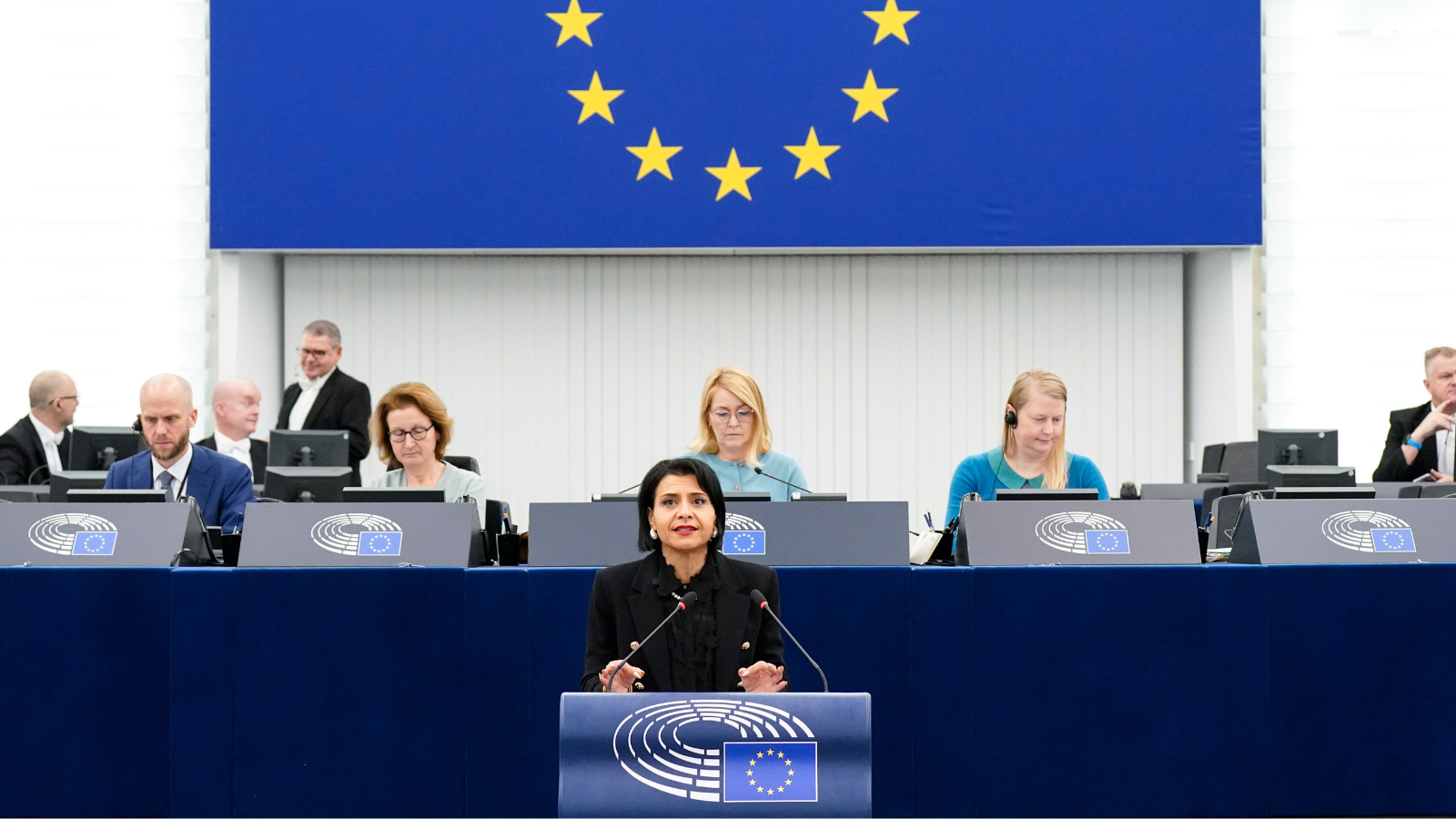
Another important demand was ensuring independent living and phasing out segregated settings (such as residential institutions) – this includes guaranteeing accessible, affordable housing. MEPs that mentioned it included Katrin Langensiepen, Maria Ohisalo, Catarina Martins, Sérgio Humberto, Caterina Chinnichi and Seán Kelly.
The specific challenges of women and girls with disabilities were brought up by MEP Catarina Martins, Rosa Estaràs Ferragut and Evelyn Regner.
The need to lift persons with disabilities out of poverty was specifically mentioned by MEP Chiara Gemma, with other MEPs pointing to harmonisation of disability assessment (MEP Marc Angel and Joachim Streit) and minimum standards for disability allowance was to alleviate it (MEP Vytenis Andriukaitis).
The debate concluded with the commitment to work in close cooperation with organisations of persons with disabilities to close the “major gaps” in disability rights.