
Turning the rights of disabled people into everyday reality requires more than Government commitments. It requires action, accountability and the meaningful involvement of disabled people and their representative organisations.
2026 is an important year for disability rights. It marks 20 years since the United Nations adopted the Convention on the Rights of Persons with Disabilities (UNCRPD), recognising the human rights of disabled people. Ireland also holds the Presidency of the Council of the European Union from July to December.
For the Disability Federation of Ireland (DFI), it is the first year of a new Strategic Plan for 2026 – 2029, adopted in March.
But strategies and commitments matter only when they lead to change. How is DFI’s plan shaping our work?
A shared vision for change
DFI’s vision is an Ireland where disabled people have control over their own lives and can participate in their communities on an equal basis with everyone else.
Our Strategic Plan sets out six priorities, namely: holding Government to account; building inclusive communities; supporting disabled people’s leadership; influencing policy through evidence and lived experience; supporting our member organisations and, crucially, strengthening DFI so we can deliver on these goals.
At the heart of this work is the principle that disabled people have the same human rights as everyone else. Those rights must be respected not just in law, but in everyday life.
Ireland’s National Human Rights Strategy for Disabled People 2025–2030 provides an important opportunity to put these rights into practice. Launched in September 2025, it takes a whole-of-Government approach, with 123 actions organised across five pillars: Inclusive Learning and Education; Employment; Independent Living and Active Participation in Society; Wellbeing and Health and Transport and Mobility.
The Strategy recognises that disability rights cannot be addressed through one department or policy area alone. Access to education, employment, housing, transport, healthcare and community life are all connected. Progress in one area often depends on progress in another. For example, having the opportunity to take up employment means little if accessible transport is unavailable or the right workplace supports are not in place. Similarly, independent living depends not only on having an accessible home, but also on having the income, services and community supports needed to participate in everyday life.
Three cross-cutting areas are also included: the Cost of Disability, Digital and Assistive Technology, and Intersectionality. These recognise that barriers are often connected and that disabled people can face different challenges depending on their circumstances and experiences.
DFI’s role in shaping change
DFI has an important role in ensuring that the experiences and priorities of disabled people and our member organisations inform the Strategy’s development and implementation.
We are represented on four of its five pillar working groups: Employment; Independent Living and Active Participation in Society; Wellbeing and Health; and Transport and Mobility.
These groups bring together Government officials, Disabled Persons’ Organisations (DPOs), civil society organisations and relevant experts. They provide an opportunity to examine the challenges facing disabled people, consider policy responses and influence the actions needed to deliver progress.
DFI brings the knowledge and experience of our members into these discussions. Through advisory groups, consultations and ongoing engagement, we gather evidence about the issues affecting organisations and the people they support. This helps ensure that national policy discussions are informed by real experiences rather than assumptions about what disabled people need.
Many of the challenges identified by members cross several areas of the Strategy. The additional costs associated with disability, for example, can affect access to housing, transport, employment and participation in community life. Similarly, barriers to transport can limit access to education, healthcare, employment and social activities. DFI’s advocacy therefore looks at how these issues connect, rather than treating them as separate policy concerns.
Our role is to help ensure that Government commitments are properly resourced, that responsibility for delivery is clear, and that progress is measured against improvements in people’s lives.
Making sure disabled people have a say
A significant development in the Strategy is the involvement of disabled people in its design and implementation.
For the first time, five DPOs worked together as the DPO Network and were directly involved in co-designing the Strategy. Their involvement continues through the development of action plans and the monitoring of progress.
This is an important step towards recognising that disabled people must be active participants in decisions affecting their lives, rather than simply being consulted after decisions have been made.
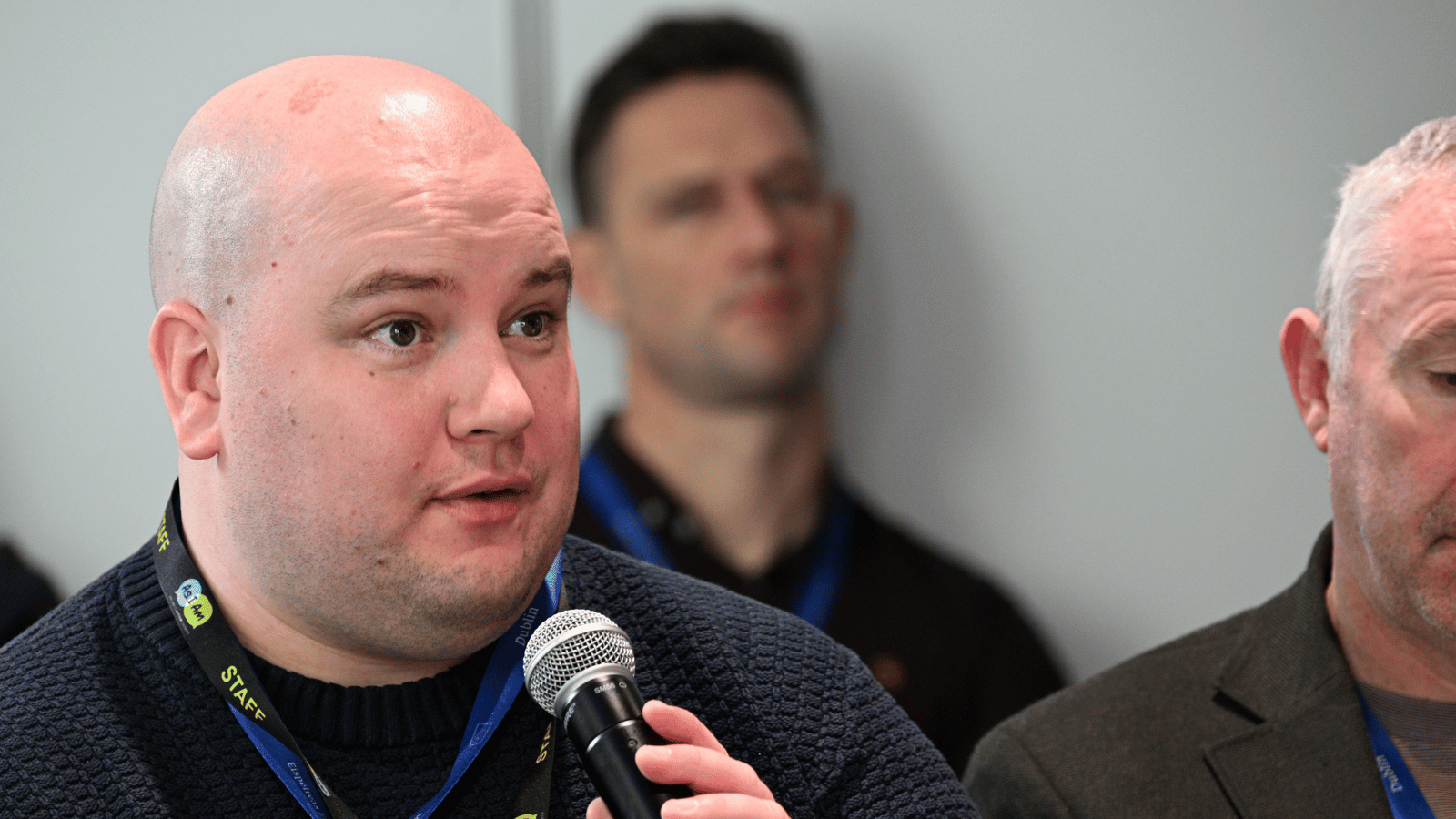
It also reflects a central principle of the UN Convention on the Rights of Persons with Disabilities, which is that disabled people must have meaningful opportunities to influence the policies, services and supports that affect them.
DFI supports this approach by strengthening the voice of its members and creating opportunities for their experiences to inform national discussions. The knowledge held by member organisations is an important resource in identifying gaps in services, highlighting barriers and developing practical recommendations for change.
This involvement is particularly important because the impact of policy decisions is rarely confined to one area of life. The experiences of a person trying to access employment, for instance, may also involve transport, personal assistance, accessible housing and adequate income. Listening to disabled people and those who support them helps build a fuller understanding of what needs to change.
Monitoring progress and holding Government to account
Having a strategy is only the beginning. Its success depends on whether the actions are delivered and whether they make a measurable difference.
Oversight of the Strategy sits at the highest level of Government through the Taoiseach and the National Human Rights Strategy Delivery and Monitoring Committee. Progress is assessed through two monitoring reports each year.
The first reports were published in July 2026, with the next reporting cycle due in January 2027. While progress has been made in a number of areas, continued scrutiny will be essential to ensure that commitments are translated into action.
DFI will continue to engage with Government and other stakeholders to highlight areas where progress is needed and to ensure that the voices of disabled people remain central to implementation.
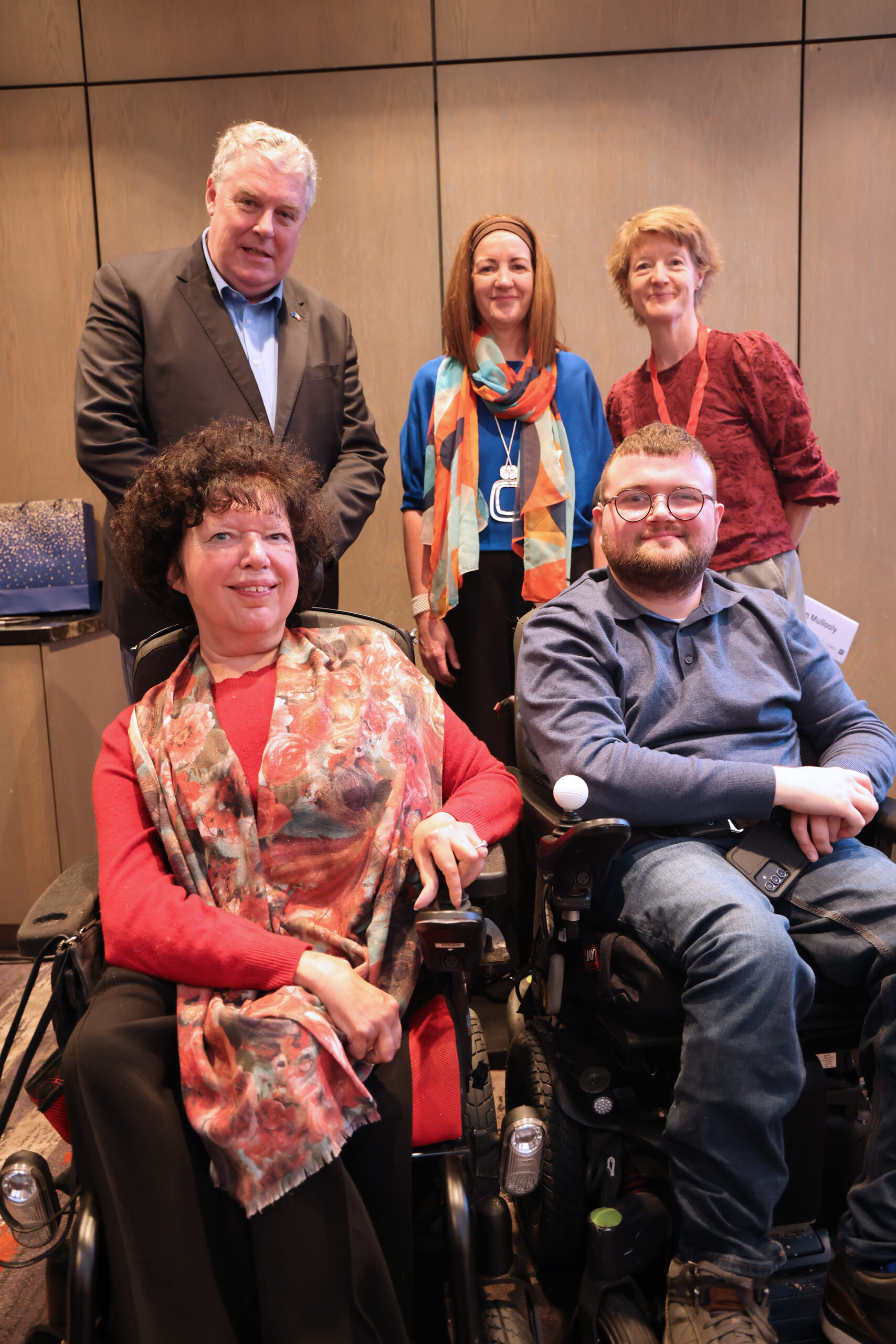
Our membership of the European Disability Forum (EDF) also brings an important European dimension to this work. Sharing experiences and learning from disability organisations across Europe helps strengthen our understanding of common challenges and identify opportunities to advance disability rights in Ireland. Our work with European partners also reinforces the importance of looking at issues such as housing, accessibility and independent living as connected parts of the wider human rights agenda.
Connecting our work to lasting change
DFI’s work across policy, advocacy, research, member engagement and public awareness is directed towards achieving the ambitions of our Strategic Plan. Whether we are highlighting barriers to employment, campaigning on the Cost of Disability, examining access to transport and housing, or supporting disabled people to influence decisions, these activities contribute to the same overall goal. Ensuring that disabled people can exercise their rights and participate equally in society.
For our members, this is where your involvement matters. Your experiences, evidence and insights help DFI identify what is working, where the gaps remain and what needs to change. They strengthen our ability to influence Government policy and hold decision-makers to account.
Ultimately, the success of the National Human Rights Strategy will not be measured by the number of actions completed or meetings held. It will be measured by whether disabled people have greater independence, choice, equality and opportunities to participate in everyday life.
The framework is now in place. The challenge is to turn those human rights commitments into lasting change.