
By Alcaldesa Natalia Chueca, Mayor of Zaragoza
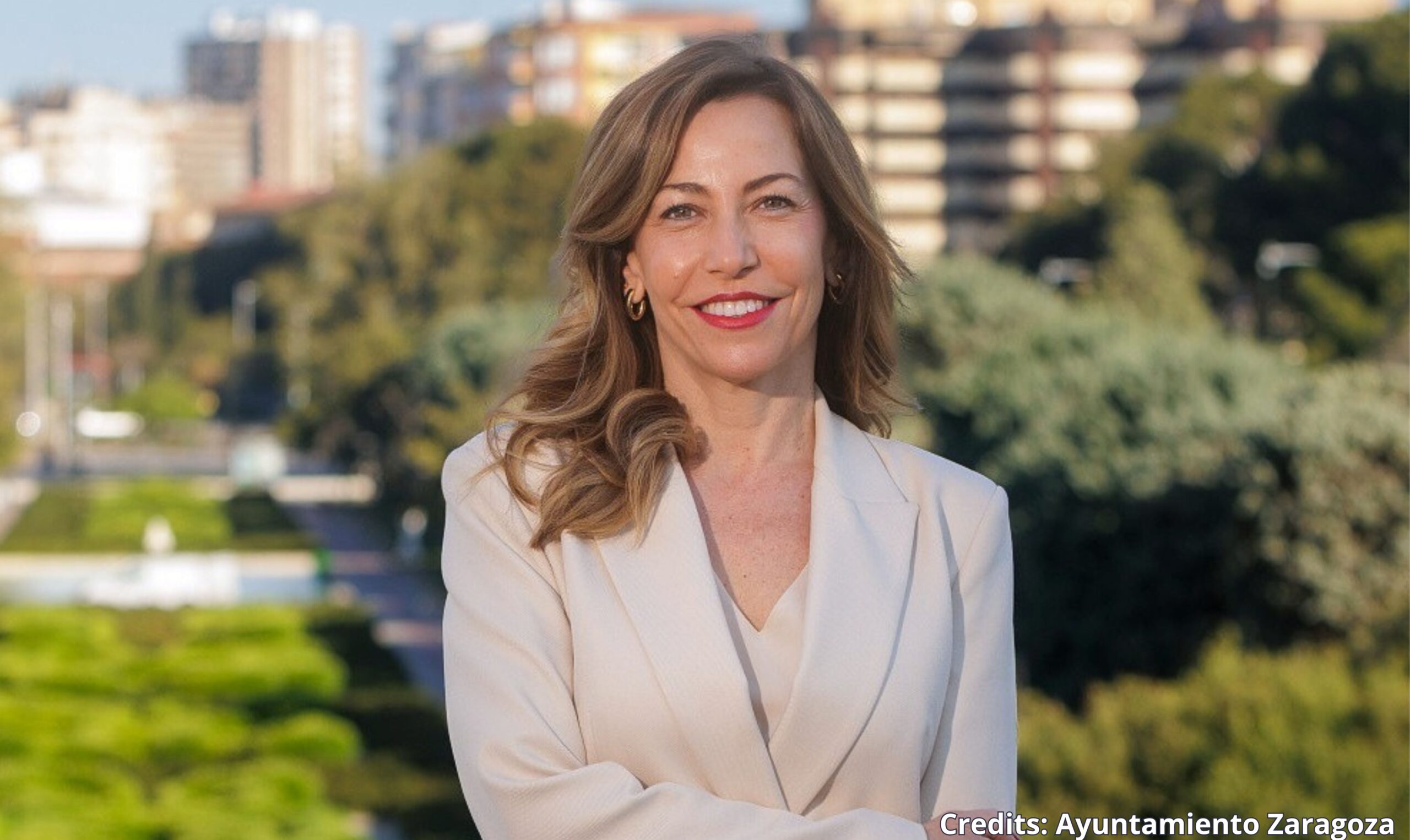
Winning the European Commission’s Access City Award 2026 was a great honour for Zaragoza. As Mayor, I am proud of it, but above all I see it as recognition of the work of an entire city, of our public services, our professionals and, especially, the organisations representing persons with disabilities, who help us understand what still needs to change.
For us, accessibility is about making sure everyone can live independently, enjoy their city and take part in community life on equal terms. It is a question of rights and dignity, and of the kind of city we want to be.
Our main idea is simple. Accessibility has to be part of everything we do.
That is what we mean by transversality, and it was the heart of the bid we presented a year ago.
Accessibility: a responsibility for everyone
Accessibility is a priority across the whole City Council, rather than the job of a single department. A city is not truly accessible if a person can get on a bus but cannot get into a public building, understand an official letter or find a suitable home.
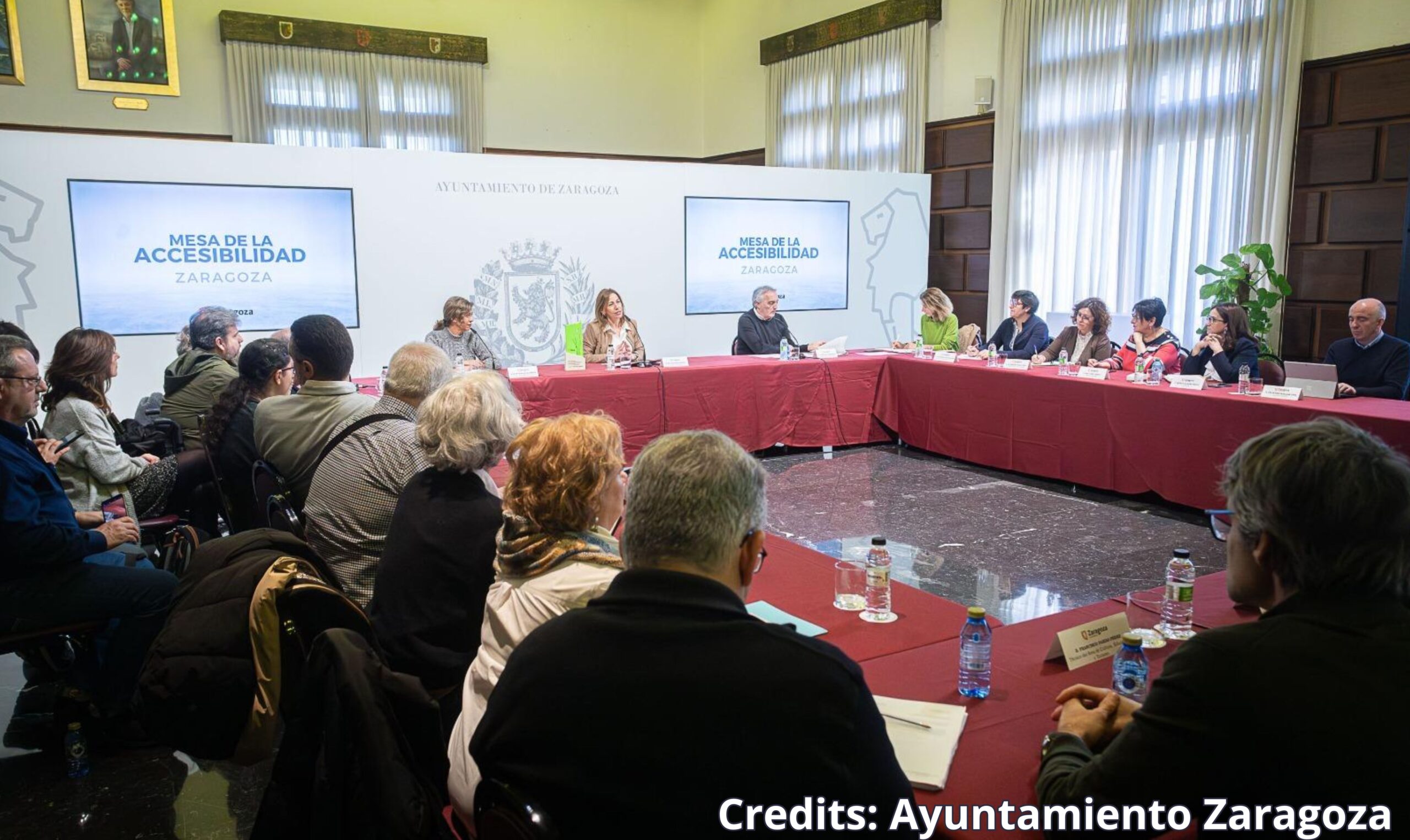
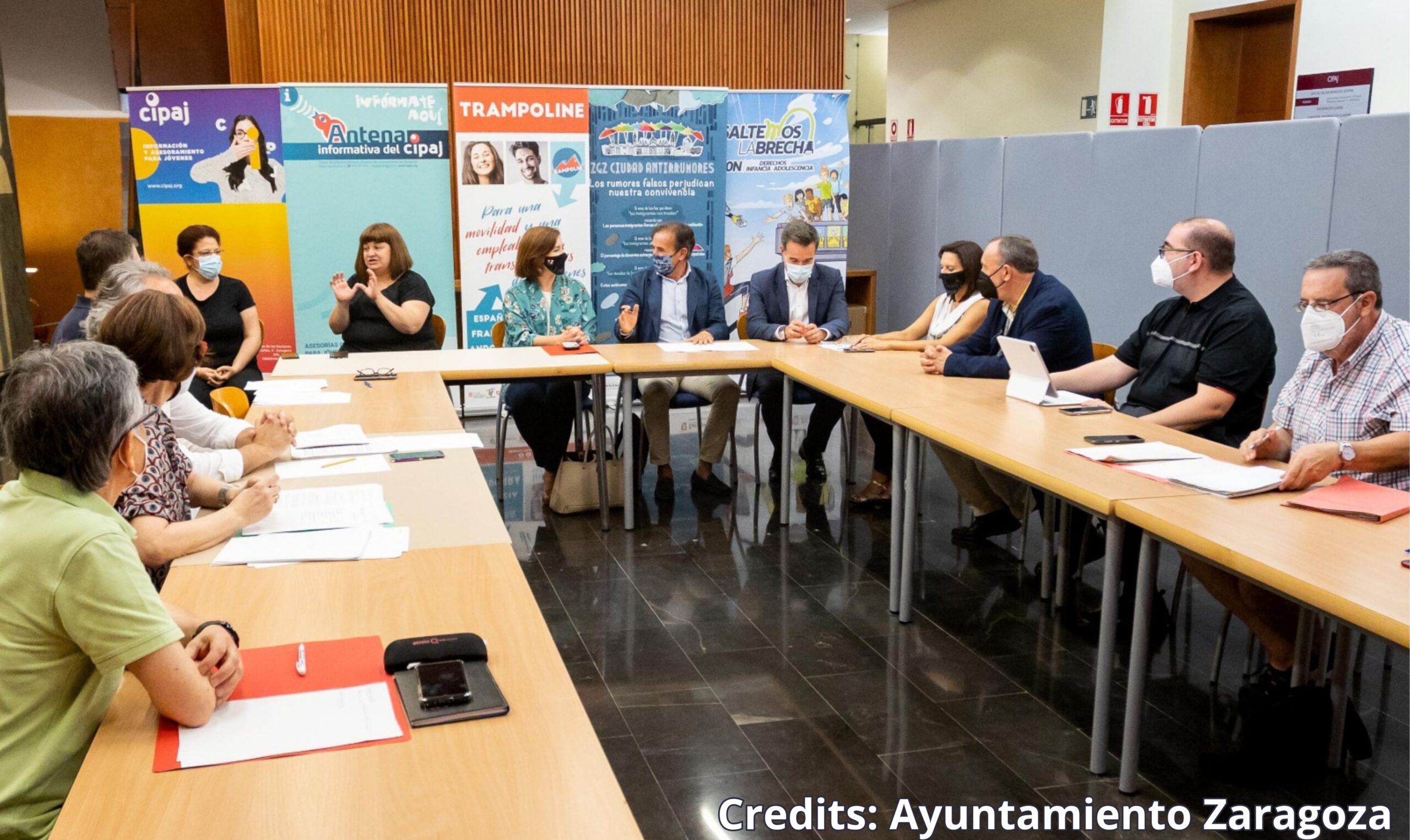
To make this work, we combine clear rules, long-term planning and practical action. Our Municipal Accessibility Ordinance, approved in March 2023, set the framework, based on the United Nations Convention on the Rights of Persons with Disabilities. Our Strategic Plan for Universal Accessibility 2025-2030 sets out where we want to be and how we will get there. The Accessibility Board brings together the City Council, disability organisations and technical experts, and the Municipal Accessibility Office helps every department pull in the same direction. Accessibility cannot depend on one-off projects or good intentions. It needs political commitment, resources and coordination.
Making daily life better for everyone
But what really matters to people is what all this means in daily life.
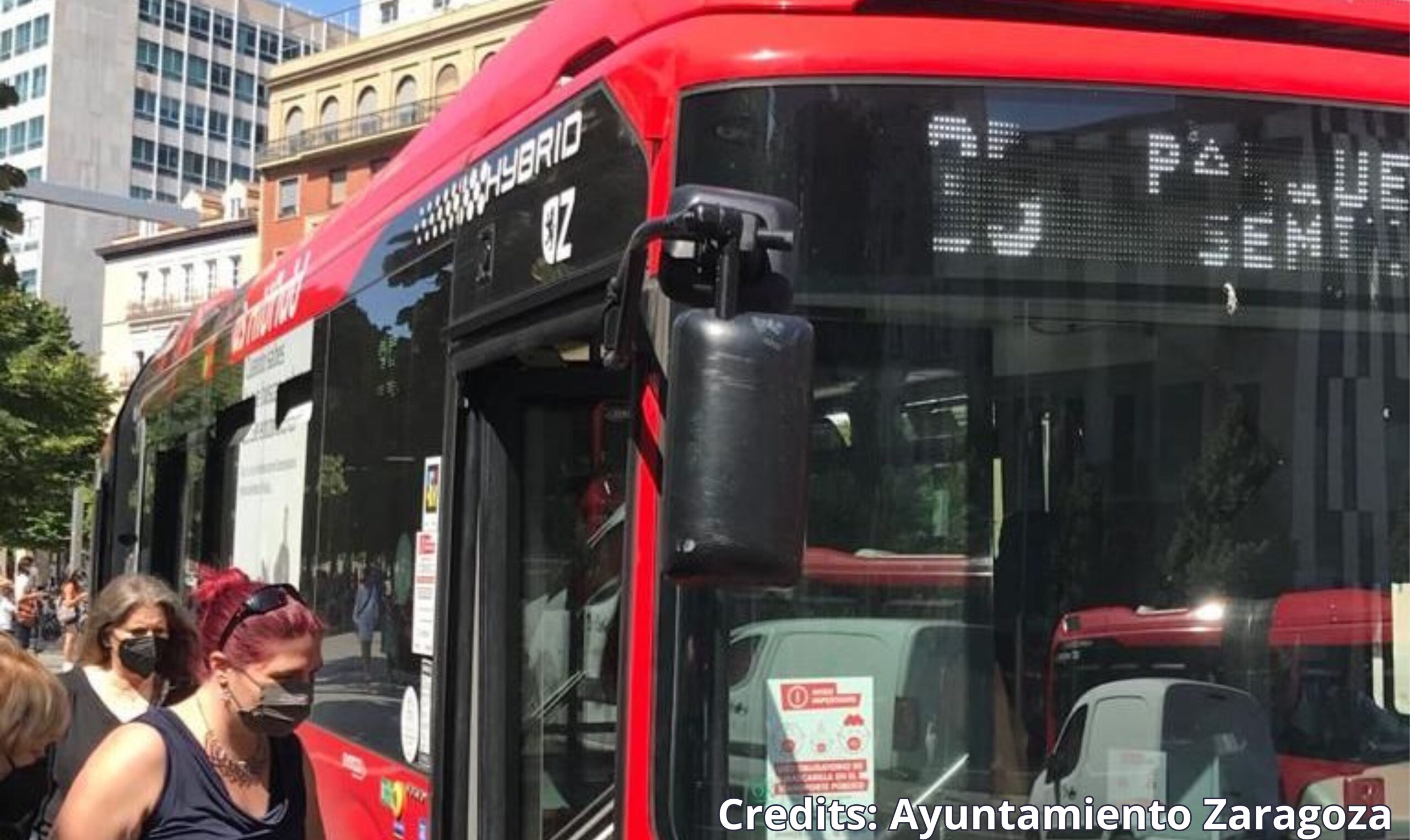
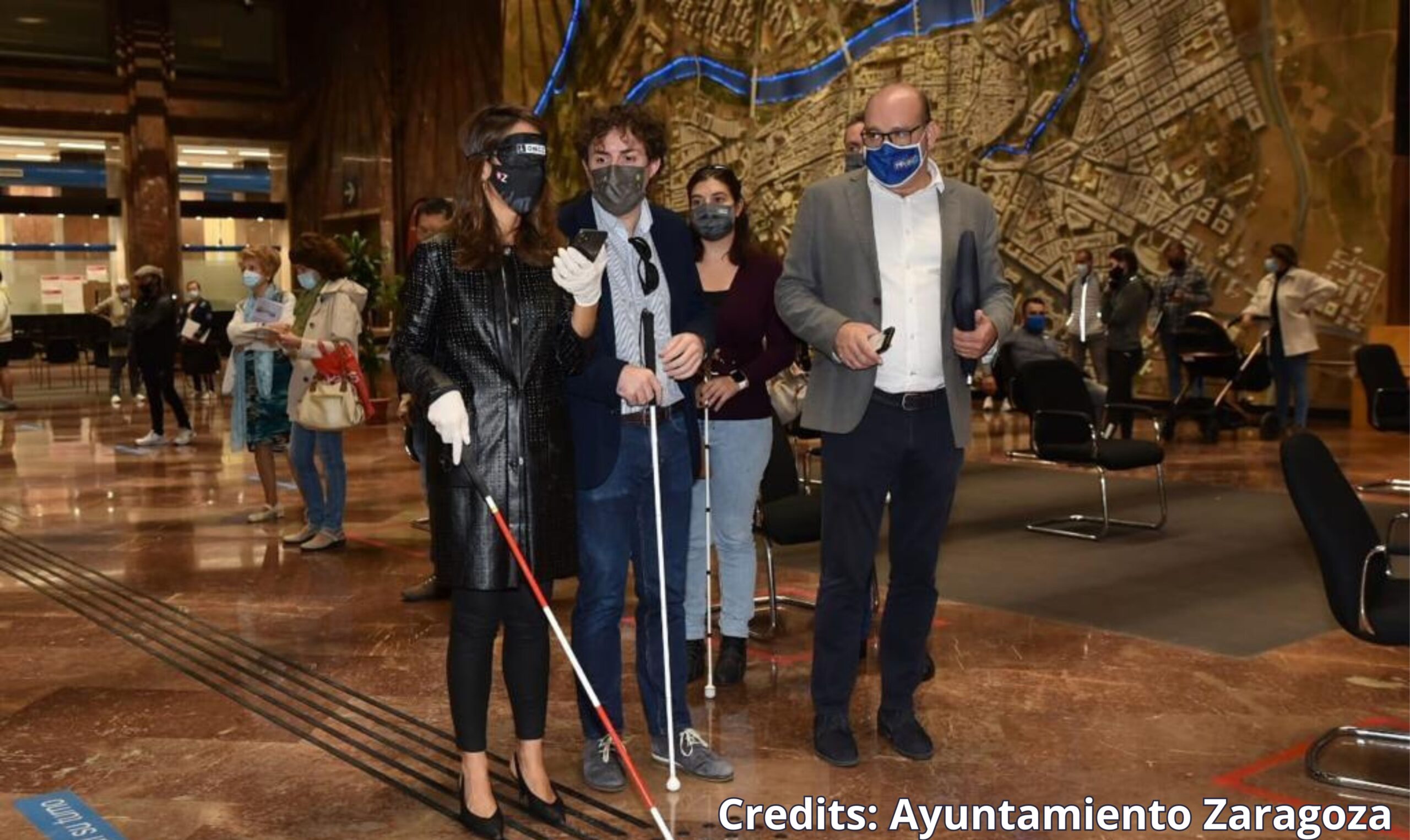
Zaragoza’s tram network is fully accessible, and so are our 350 buses, a fleet that is gradually becoming fully electric. More than 80% of pedestrian crossings are accessible, with tactile paving and audible signals, and tools such as help persons with visual disabilities find their way around public transport and buildings.
But accessibility goes far beyond mobility.
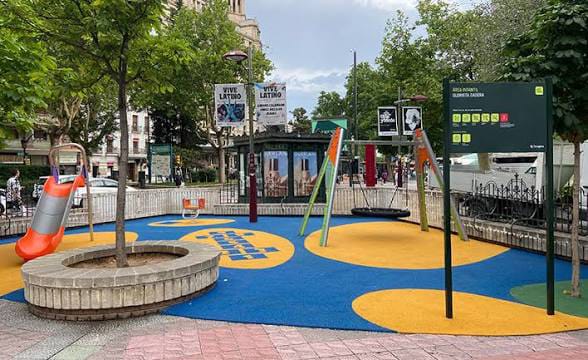
Parks, playgrounds, sports facilities and cultural venues should be places where everyone feels welcome, which is why we have built inclusive play areas and improved access to leisure and culture. Information matters too. Our websites and apps, easy-read documents and pictograms help people use public services without unnecessary barriers.
Accessible Housing
And housing is key to living independently.
Renovation grants help fund lifts and step-free entrances, while the , which includes entities representing and working with persons with disabilities, offers inclusive homes where people can live on their own terms as part of their neighbourhood.
Involving persons with disabilities
And everything starts with listening.
We have learnt that we cannot build an accessible city without listening to the people who come up against barriers every day. Disability organisations are far more than partners we consult. Their experience helps us spot problems, set priorities and find better solutions. We are also training municipal staff, because accessibility is everyone’s responsibility.
We know there is still work to do. An award does not mean every barrier has gone. It recognises the progress we have made and encourages us to keep going.
This year has given us another reason to keep going.
A green city for everyone
Zaragoza has been named European Green Capital 2028, and the two awards are closely connected. Our Green Capital bid, built around the idea “Zaragoza cares. Naturally.”, put people at its centre. Behind both lies the same way of working. A green city has to be a city everyone can enjoy. Parks, riverbanks and green spaces only do their job if everyone can reach them, and clean public transport only helps the planet if everyone can use it. For us, every project must be designed with environment and accessibility in mind from day one.
The Access City Award, organised by the European Commission with the European Disability Forum, recognises cities that make life easier for persons with disabilities, from buildings and public spaces to transport, information and public services. Being chosen from 52 candidate cities is a real honour, and it reflects how accessibility has become part of the way Zaragoza is run.
I believe our experience can be useful to other European cities. Progress does not come from a single project or a single investment. It comes from a clear vision, steady work over time, and the involvement of the people whose lives we want to improve. If I had to sum it up in one word, it would be transversality.
For Zaragoza, this award is both a source of pride and a commitment for the future. An accessible city works better for persons with disabilities, and it is also a city that cares for its people, respects their rights, and gives them the best quality of life.
That is the city we are working to build.