Blog post by Charlotte Aelbrecht, EDF Youth Committee.
Media representation is a powerful tool in shaping public perception and societal norms. Especially for youth with disabilities, seeing themselves accurately and inclusively portrayed in the media is crucial. It helps in forming their self-identity and their ambitions, it also affects how they are seen and treated by their peers.
Influencing public opinion
The media is an important source of information and entertainment for many people. When persons with disabilities are presented accurately and respectfully, it educates the public about the reality of living with a disability. It leads to more empathy and understanding, reducing stigma and misconceptions. Because often persons with disabilities where they are seen as objects of pity or as heroes overcoming the odds. By showing diverse and complex characters with disabilities, the media can show that disability is just one aspect of a person’s identity, not a defining feature. And it can change the view on disability from pity or admiration to empowerment and normalcy.
Providing Role Models
 For youth with disabilities, seeing characters and public figures who share their experiences can be empowering. Role models in the media can inspire them to pursue their goals, advocate for their rights, and be more confident. For example, actors like Ali Stroker, who uses a wheelchair, and RJ Mitte, who has cerebral palsy, have become influential figures and are often looked up to by young people with disabilities.
A picture of RJ Mitte, actor known from Breaking Bad.
Photo credit: Gage Skidmore
Influencing Social and Policy Change
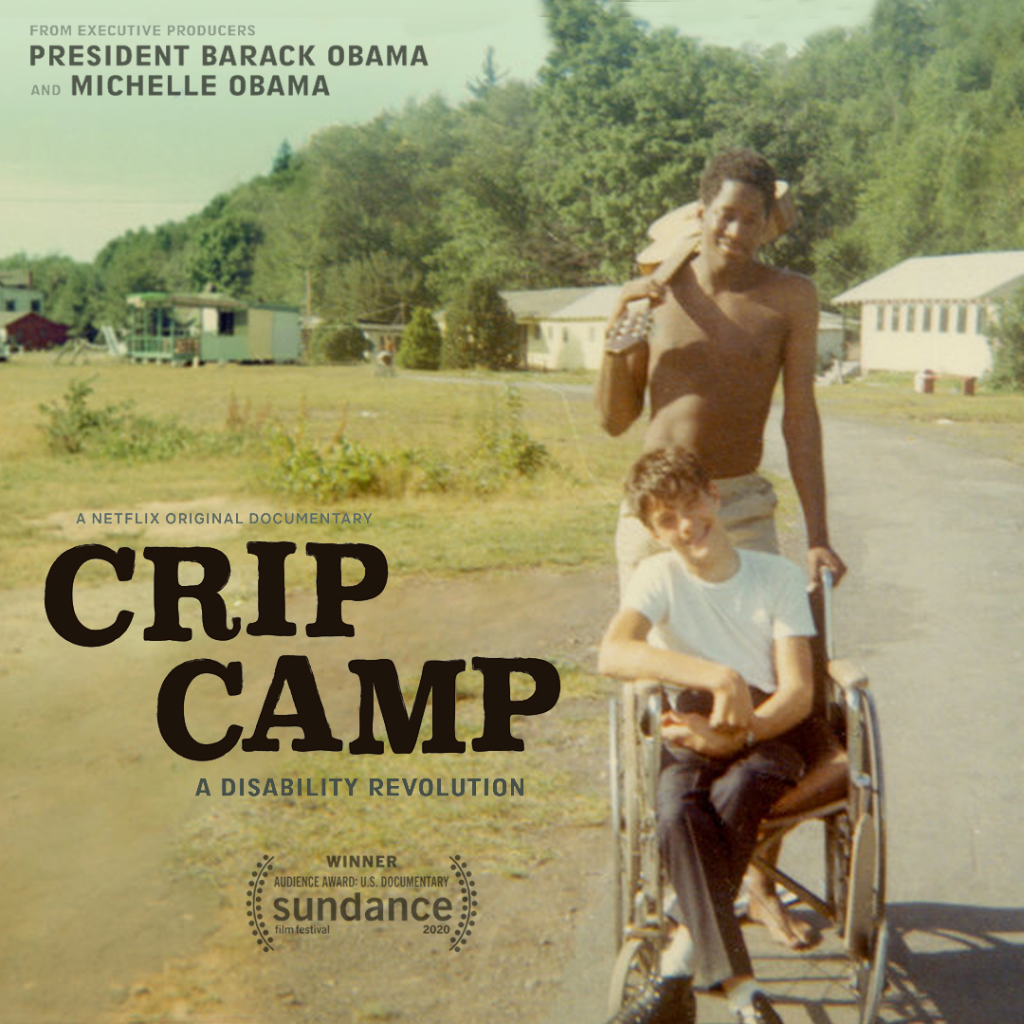 Media has also the power to cause social and policy change. When the stories of persons with disabilities are told accurately, it can raise awareness about the challenges they face and the changes that need to be made. Documentaries, news stories, but also fictional stories can highlight barriers to accessibility, discrimination, and the need for policy reforms. This can mobilize public support and prompt policymakers to take action. For example, the documentary Crip Camp: A Disability Revolution, has played a big role in raising awareness about disability rights.
A picture of the documentary Crip Camp: A disability revolution
Improvements that need to be made
Despite the progress we see in recent years, there is still much work to be done for more inclusive media representation of persons with disabilities. The entertainment industry must prioritize hiring disabled actors, writers and directors to ensure that the stories told are realistic and based on lived experience. Secondly, a wider range of disabilities should be presented, including disabilities and illnesses that are less visible or more stigmatized, this will reflect the diversity within the disability community.
Third, engagement with disability advocacy groups is also essential. These organizations can provide valuable insights and feedback, helping media creators avoid stereotypes. Listening to the voices of individuals with disabilities content creators can make content that is both accurate and respectful.
Finally, educating content creators on the importance of representation can lead to accurate storytelling. For example, workshops lead by disability advocates can help content creators understand the complexity of living with a disability and common misconceptions and stereotypes can be addressed. This also helps to break down barriers within the industry that people with disabilities often faced when interested in work in the media industry.