Our analysis of the Intergenerational Fairness Strategy shows that while it acknowledges several of the barriers faced by young persons with disabilities, it omits actions on older persons.
We call on the European Commission to reinforce its approach to older persons and to develop our three for fairness for young persons with disabilities: economic freedom; housing and wealth; and inclusive social spaces.
What is the Intergenerational Fairness Strategy?
The Strategy outlines the European Union’s approach to ensure initiatives benefit young and older people.
It focuses on amplifying young people’s voices as the EU’s future and ensuring solidarity between generations.
Our advocacy focused on ensuring that Intergenerational Fairness addresses the specific issues faced by both young and older persons with disabilities.
Positive aspects of the Strategy
Our work has resulted in an acknowledgement of young persons with disabilities in many areas.
We welcome the inclusion of the specific difficulties young people face during the transition from education to adulthood. This is an issue that especially affects many young persons with disabilities.
The Strategy also acknowledges that persons facing discrimination are disproportionately impacted by structural barriers in several areas. These structural barriers accumulate and are passed from one generation to the next.
Finally, the proposed New Intergenerational Contract recognises that people from disadvantaged backgrounds often face discrimination, and specific measures are proposed to address it. The measures focused on the early childhood period and during the transition to adulthood and from education to the labour market.
What is missing
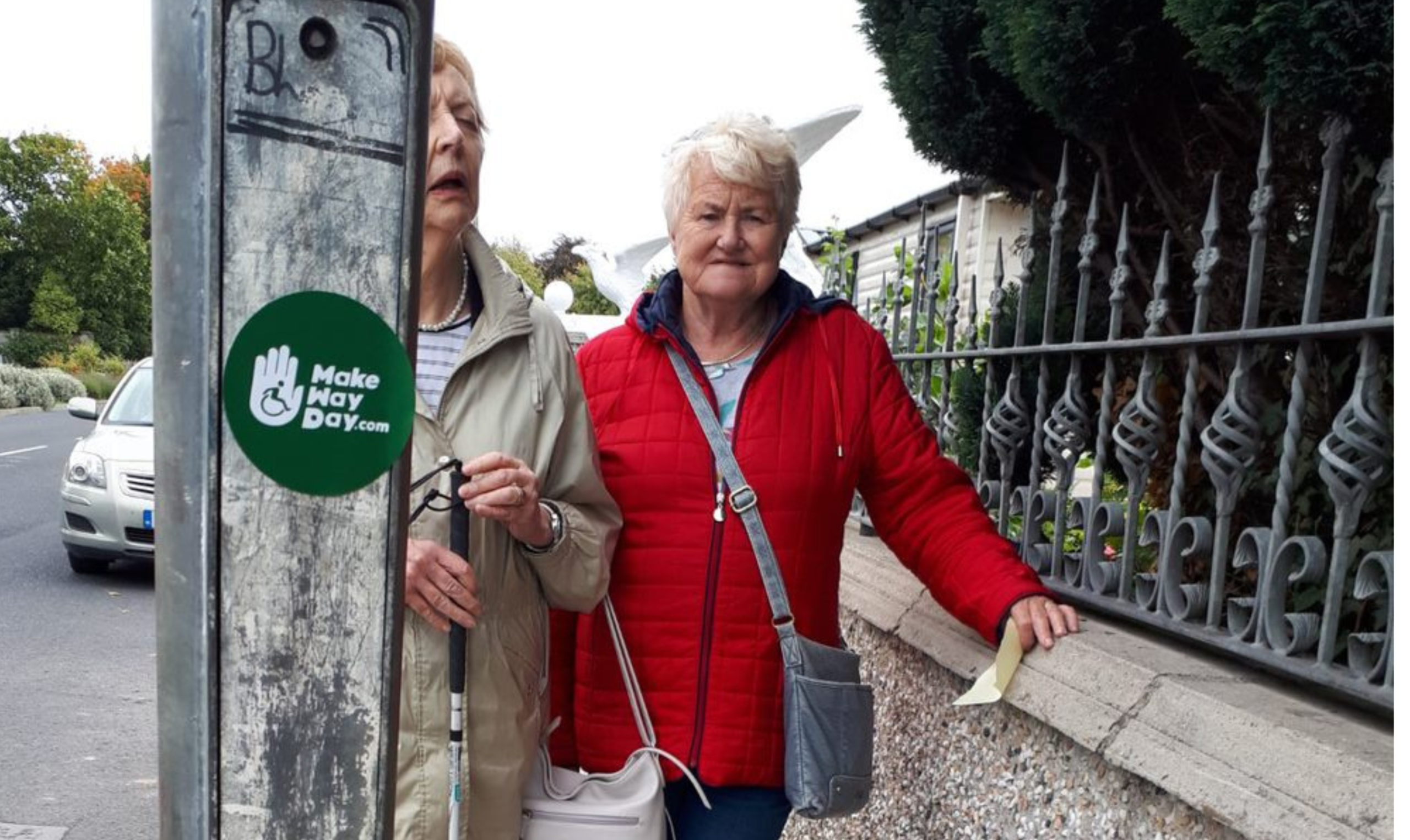
The Strategy fails to address issues faced by older people with disabilities. This is a major failure of this Strategy.
It should also have proposed stronger measure for young persons with disabilities in several fields:
- Access to assistive technology
- Digitalisation and digital skills training that is accessible and adapted to persons with disabilities
- Removing barriers to access EU funding and programmes for youth with disabilities.
- Offering of affordable and accessible housing for persons with disabilities.
- Addressing the ‘poverty trap ’ by ensuring social security entitlements and disability allowances are not removed as young persons with disabilities transition to adulthood and enter the labour market.
- Guaranteeing that the section on ‘accessibility of transport in rural or urban areas’ goes further than affordability and addresses accessibility for persons with disabilities
- Addressing the lack of accessibility and inclusion in sports and leisure facilities
- That risk disaster plans and climate actions must be inclusive and include persons with disabilities
- The New Intergenerational Contract must include the diversity of people belonging to all generations.
Our Recommendations

The work on the Strategy must involve persons with disabilities through their representative organisations, especially their Committees of young and older people.
The instruments mentioned in the Strategy should also be improved:
- Add indicators that measure how people with disabilities, women, LGBTIQA+ racialised people, Roma, migrants and refugees are included.
- Report on the inclusion of intersectionality in the Progress Report of the Strategy.
- Include persons with disabilities alongside other disadvantaged communities in the consultations and consultative structures such as citizen panels.
The Strategy should also focus on improving three specific areas related to young persons with disabilities:
- Economic Freedom: Remove all salary limitations for those collecting social benefits. Assistive devices and personal assistance should be provided free of charge as a right of employment.
- Housing & Wealth: Implement a Universal Basic Income for young persons with disabilities and provide financial pathways to homeownership, ensuring that the “disability allowance” isn’t stripped away the moment a person begins to earn a living or when they inherit money. Finally, end institutionalisation.
- Inclusive Social Spaces: Legislate that all community hubs – cinemas, board game clubs, and cafes – must have accessible entrances and facilities to ensure disabled people are seen as regular patrons, not “guests.”
Featured photo: Credits Andrzej-Lassak